
President Trump’s effort to lock in a peace framework with Iran is facing serious challenges almost immediately, as reports emerge that key players in the Middle East may not be fully aligned with Washington’s vision for ending the conflict. New intelligence assessments reportedly suggest growing tensions between the White House and the government of Israeli Prime Minister Benjamin Netanyahu over how aggressively to confront Iran and its regional allies in the coming months.
According to the reports being discussed, U.S. intelligence officials believe Netanyahu and members of his coalition are concerned that a lasting ceasefire or broader peace agreement could weaken their political standing at home. The assessment claims some Israeli leaders view continued military pressure on Iranian-backed groups as essential to maintaining deterrence and preserving domestic political support ahead of future elections.
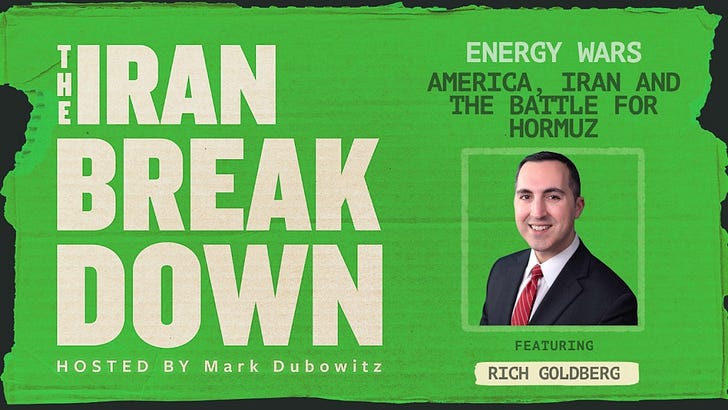
The controversy centers on President Trump’s proposed Iran framework, which reportedly includes major economic incentives, sanctions relief, and reconstruction assistance in exchange for Iran permanently abandoning nuclear weapons ambitions and keeping critical shipping lanes open. Supporters argue the agreement could stabilize the region and lower energy prices, while critics question whether Iran can be trusted to honor long-term commitments.
Behind the scenes, negotiations intended to expand the agreement reportedly stalled as violence involving Hezbollah and Lebanon intensified. That development has fueled concerns that renewed military action could derail diplomatic progress before it has a chance to take hold.
The political stakes are enormous for both leaders. Trump wants a successful peace agreement that lowers oil prices, reduces the threat of a wider regional war, and demonstrates American leadership on the world stage. Netanyahu faces pressure from political rivals and members of his own coalition who favor a tougher military approach and view concessions as a strategic mistake.
Despite the controversy, new polling suggests many Americans support efforts to avoid a larger war with Iran. Voters appear particularly encouraged by falling oil prices, reduced tensions around the Strait of Hormuz, and commitments aimed at preventing Iran from obtaining nuclear weapons.
Energy markets have responded positively as shipping traffic resumes through key waterways. Lower crude oil prices have already begun translating into lower gasoline prices across much of the United States, offering consumers some relief after months of volatility.
Meanwhile, Director of National Intelligence Tulsi Gabbard generated headlines by releasing new comments and video related to Dr. Anthony Fauci, federal research funding, and allegations involving gain-of-function research. The release is expected to intensify ongoing debates over pandemic-era decisions, government oversight, and taxpayer-funded scientific research.
As Trump prepares for additional meetings at Camp David and diplomats continue working behind closed doors, the future of the Iran agreement remains uncertain. The next several weeks could determine whether the framework develops into a lasting peace deal or becomes another failed attempt to stabilize one of the world’s most volatile regions.