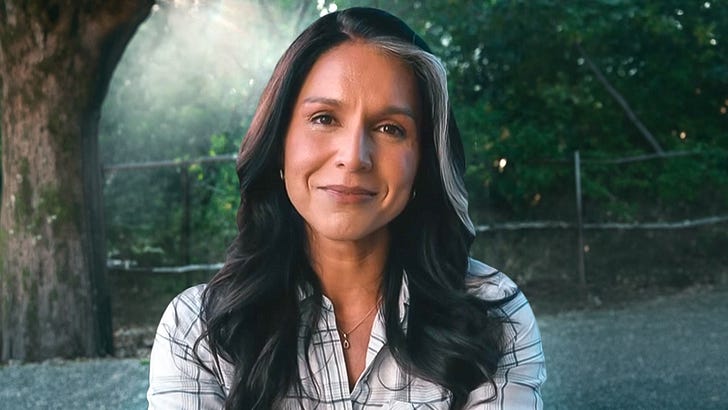

Our Note: If you are not familiar with what dopamine is and what it can do to a person, please see the video at the end of this post before viewing DOAC. We have also added Dr. Anna Lembke’s first interview with DOAC below as well.
Dopamine expert Dr. ANNA LEMBKE reveals how addiction is hijacking your brain, why dopamine addiction is rising fast, the danger of social media, porn, AI, GLP-1 drugs, and how to regain control FAST!
Dr Anna Lembke is Professor of Psychiatry and Medical Director of Addiction Medicine at Stanford University School of Medicine.
She has spent more than 25 years treating patients with substance and behavioral addictions and is the bestselling author of “Dopamine Nation”.
She explains:
◼️Why endless pleasure quietly trains your brain to feel worse, not better
◼️How digital habits replace real connection with instant validation
◼️Why dopamine spikes always come with a hidden crash
◼️How easy comfort erodes discipline, motivation, and intimacy
◼️The practical reset that restores balance and control
Chapters
00:00 Intro
02:52 Dopamine and Overabundance
04:09 How to Shake Bad Habits
06:03 Why Are Harmful Substances Addictive?
07:02 The Dangers of AI Simulating Human Connection
12:41 Sex Addiction
19:16 Elon Musk's Age of Abundance
22:10 We're Entertaining Ourselves to Death
23:22 How Our Brain Processes Pleasure and Pain
28:38 Why Do We Fall Off Our Good Habits?
30:27 When Are We Most Susceptible to Self-Destructive Behaviours
31:40 Who Is More Vulnerable to Addiction?
32:46 Link Between Addiction and People With ADHD
34:13 Link Between Childhood Trauma and Addiction
35:44 Parents Soothing Child’s Emotions With Technology
37:11 Could AI Replace Parenting
39:52 Are You Hopeful People Will See the Downsides of AI?
43:10 Social Media Trials
44:58 Ads
45:54 The Science Behind How to Get Rid of Bad Habits
53:18 Is an Addictive Personality a Real Thing?
54:07 4-Week Resolutions
56:11 Psychological Strategies for Adopting Good Habits
58:47 How to Trick Your Brain to Enjoy Doing Hard Things
01:01:53 How to Avoid Relapse
01:04:10 Is It Possible to Become Addicted to Good Things Too?
01:04:58 Daily Routines to Kick the Habit
01:06:57 The "Count Back" Trick to Start New Habits
01:10:13 Ads
01:12:10 Brains of Addicted vs. Non-Addicted People
01:17:26 Shocking Dopamine Research
01:19:06 Impact of Dopamine Addiction on Personal Relationships
01:22:36 Dopamine Agonist Drugs
01:26:11 Dopamine Release Associated With Learning and Impediments
01:31:57 Radical Honesty
01:36:50 What Is Agency and Why Does It Matter
01:38:42 The Biggest Problem With New Year’s Resolutions
Follow Dr Anna
Website - https://bit.ly/4pS0ckD
Stanford Medicine - https://stan.md/4oXiyzq
To purchase Dr Anna’s book on Amazon, click here:
The Official Dopamine Nation Workbook: A Practical Guide to Overcoming Addiction in the Age of Indulgence
Previous Interview with DOAC
Chapters
00:00 Intro
03:44 Why Does Dopamine Matter?
04:08 What Is Dopamine?
05:35 How Understanding Dopamine Can Improve Your Life
06:09 Biggest Misconceptions About Dopamine
07:30 Everyday Activities That Impact Dopamine
09:36 Dopamine and Its Relationship to Pleasure and Pain
18:26 Why Do Our Brains Overshoot?
20:31 How Our Brains Are Wired for Addiction
25:22 Finding Ways to Deal With Pain
31:51 Stories of Addiction
34:52 How Many People Have Addiction Disorders?
40:14 Hiding Away From Friends and Family
41:21 Distinguishing Between Good and Bad Behaviors
45:50 How Addiction Makes You Feel
47:50 Is Work an Addiction?
54:18 What Activities Provide the Biggest Dopamine Hits?
58:59 Can We Inject or Drink Dopamine?
01:01:00 Why We Must Do Hard Things
01:02:37 Can You Get an Exercise Comedown?
01:04:19 How to Optimize for a Better Life
01:05:17 How Should We Be Living?
01:09:29 Being Comfortable With the Uncomfortable
01:10:34 Causes of Anxiety Throughout Life
01:12:43 Living in a World Where It's Easy to Outrun Pain
01:13:09 Where Are You Now in Your Grieving Journey?
01:14:43 Youngest Child Seen With Addictions
01:15:37 Youngest Age When Addiction Can Have an Effect
01:16:50 Youngest Patient With Addiction
01:18:40 Has Society Gone Soft?
01:21:05 Victimhood and Responsibility
01:25:02 How to Help Someone Overcome a Victimhood Mentality
01:28:36 Connection Between Responsibility and Self-Esteem
01:30:13 Importance of Our Self-Narrative
01:37:24 Ads
01:38:22 How Helping a Loved One Too Much Can Hurt Them
01:44:49 Overcoming Pornography Addiction
01:48:35 Harms of Watching Porn
01:51:04 Is Dopamine Responsible for Sugar Cravings?
01:53:05 Turning Addictions Around
01:58:25 Why We Bounce Back to Cravings After Relapsing
02:02:49 Effects of Early Exposure to Addictive Substances on Children
02:04:43 Final Thoughts on Overcoming Addiction
02:05:39 Closing Remarks
02:07:38 What Information Changed Your Life?
What Is Dopamine?
This interview between Simon Sinek and Tom Bilyeu has become a classic for defining dopamine and its effects, positive and otherwise…
Be patient, Simon explains where it all started in the first few minutes and then dives down that rabbit hole, providing a humorous and yet dire warning about dopamine…
Dopamine: Functions and Effects
Dopamine is a neurotransmitter and a hormone produced in the brain, specifically in areas like the substantia nigra, ventral tegmental area, and hypothalamus.
It acts as a chemical messenger between nerve cells (neurons) in the brain and between the brain and the rest of the body.
Dopamine is synthesized from the amino acid tyrosine, which must be obtained through diet.
It plays a crucial role in regulating mood, motivation, reward, learning, memory, and motor control.
Dysfunction of the dopamine system is linked to various nervous system diseases, and imbalances can lead to different health issues.
When dopamine levels are too low, individuals may experience a lack of focus, forgetfulness, sadness, mood swings, low motivation, and even depression.
Conditions like Parkinson’s disease, Alzheimer’s, and certain depressive disorders are associated with dopamine deficiency.
Conversely, elevated dopamine levels can lead to euphoria and mental illnesses like mania.
Excessive amounts can also result in poor impulse control and are linked to conditions such as ADHD, binge eating, and addiction.
Medications for Parkinson’s disease, such as L-DOPA, increase dopamine production, while most antipsychotic drugs reduce dopamine activity.
Perspectives
Dopamine’s primary role is in pleasure and feeling good.
Dopamine is often called the “feel-good molecule” or “feel-good chemical” that influences memory, focus, and mood, driving cravings for activities that boost its levels.
It helps us feel pleasure as part of the brain’s reward system, and activities like sex, shopping, or smelling baking cookies can trigger its release, making us want to repeat those experiences.
Higher levels of dopamine in the brain correlate with a positive mood and feelings of happiness and pleasure.
Dopamine primarily drives motivation through anticipation and craving, not direct pleasure.
Dopamine is responsible for wanting and craving, distinctly different from its role in pleasure, and is mainly released in anticipation of a desired thing.
When anticipating something exciting, the firing rate of dopamine neurons in the reward pathway increases, creating a sense of action or desire toward the craved item.
This anticipatory mechanism narrows our focus on the object of craving, whether it’s food, social interactions, or other rewards.
Dopamine’s motivational effects influence how the brain evaluates tasks, with low levels leading individuals to focus on task difficulty rather than the potential reward.