
U.S. Fans Warned on Mexico World Cup Risks

What You Need To Know
The 2026 FIFA World Cup launches this coming week with its first two matches on Thursday, June 11, in Mexico City and Guadalajara, before shifting to Toronto and Los Angeles on Friday, June 12th.
Mexico is hosting the tournament opener at Azteca Stadium in the capital with a match against South Africa.
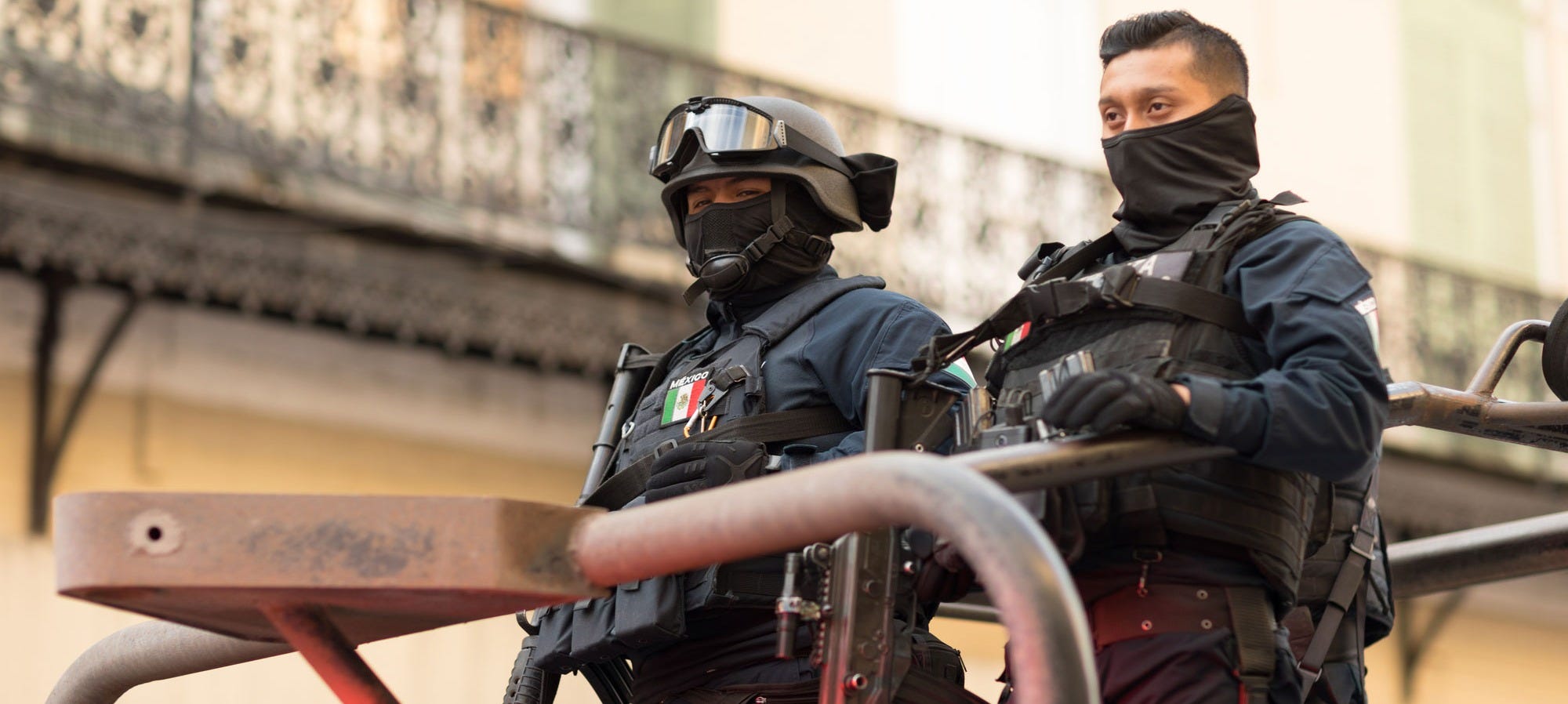
Mexican authorities have mobilized nearly 100,000 federal, state, and local security personnel under a coordinated multi-agency operation that integrates military, police, and intelligence assets between host cities and extends support to training sites and fan zones.
Security at Azteca Stadium and the surrounding Mexico City fan festival will feature layered perimeters, advanced screening, and rapid-response units positioned to counter both conventional and opportunistic threats.
While Mexican officials describe the capital as one of the country’s safer urban centers, the U.S. State Department maintains a Level 2 “Exercise Increased Caution” advisory for the capital and Mexico overall, citing persistent risks of terrorism, crime, and kidnapping.
For U.S. citizens traveling to Mexico City this week, the State Department and U.S. embassy and are urging heightened situational awareness and caution.
Avoid traveling alone at night, steer clear of unverified ride services, and remain in well-patrolled tourist corridors near the stadium and Zócalo fan zone.
Petty theft and express kidnappings remain the most immediate concerns in high-traffic areas, even as visible security presence reaches historic levels.
Guadalajara faces an a higher risk profile.
The State Department assigns Jalisco state a Level 3 “Reconsider Travel” designation, though the metropolitan host area itself is exempted for visitors who confine movements to central tourist zones.
Recent cartel-linked violence in the region, triggered by high-profile operations against organized crime networks, has included roadblocks, arson, and armed clashes with the military.
U.S. citizens heading to Guadalajara Stadium are advised to treat the venue perimeter and fan festival as the only reliable safe zones and avoid peripheral neighborhoods.
While Mexican security commanders have pledged overwhelming force to prevent spillover from regional criminal activity into tournament venues, tensions are still high in this state.
Widespread Insecure Wi-Fi Networks
For U.S. fans heading south of the border, be forewarned that the Russian multinational cybersecurity / antivirus company Kaspersky has published the results of a new wardriving study revealing troubling gaps in Mexico’s public Wi-Fi networks.
Researchers drove routes around the host cities’ soccer stadiums, airports, fan zones, and tourist areas, capturing more than 80,000 wireless signals.
Roughly 17% of networks were completely open or used weak encryption, leaving visitors vulnerable to “evil twin” fake hotspots that steal passwords, credit cards, and personal data.
Even many supposed “secure” networks still had outdated, easily-hackable features enabled.
Travelers should remember that public Wi-Fi near these venues may be convenient, but it is risky.
Use a VPN, avoid logging into bank or email accounts on open networks, and treat every free hotspot with caution.
U.S. Iranian Diaspora Concerns
The first U.S. match arrives Friday, June 12, at SoFi Stadium in Los Angeles (Inglewood), home to the largest Iranian diaspora outside Iran.
Numbering close to 200,000, this adds layers of concern, including potential anti-regime protests and pro-regime activity by U.S. or Mexico-based affiliates.
DHS / FBI intelligence bulletins assess that U.S.-based lone offenders very likely pose the greatest mass-casualty threat to the 2026 FIFA World Cup events.
These individuals, including those inspired by foreign terrorist organizations, can mobilize to violence with little or no warning, employing firearms, vehicles, or improvised explosive devices against soft targets, including fan zones, transit hubs, hotels, and public viewing areas.
As reported last week, jihadist threats against the tournament remain explicit and active.
ISIS propaganda continues to urge mass-casualty operations, while Al Qaeda’s Inspire magazine provides tactical guidance for lone-wolf attacks in the West.
For fans and travelers at every opening venue, stay alert and speak up if you see something suspicious.