
TOUSiTV LIVE: : Kurds Deploy Troops To Iran's Border - IRGC Shoot Iranian Civilians

Who Are the Kurds?
The Kurds are an Iranian ethnic group indigenous to the Mesopotamian plains and surrounding mountainous regions of West Asia, an area often referred to as Kurdistan.
This region spans parts of southeastern Turkey, northwestern Iran, northern Iraq, northeastern Syria, and southwestern Armenia.
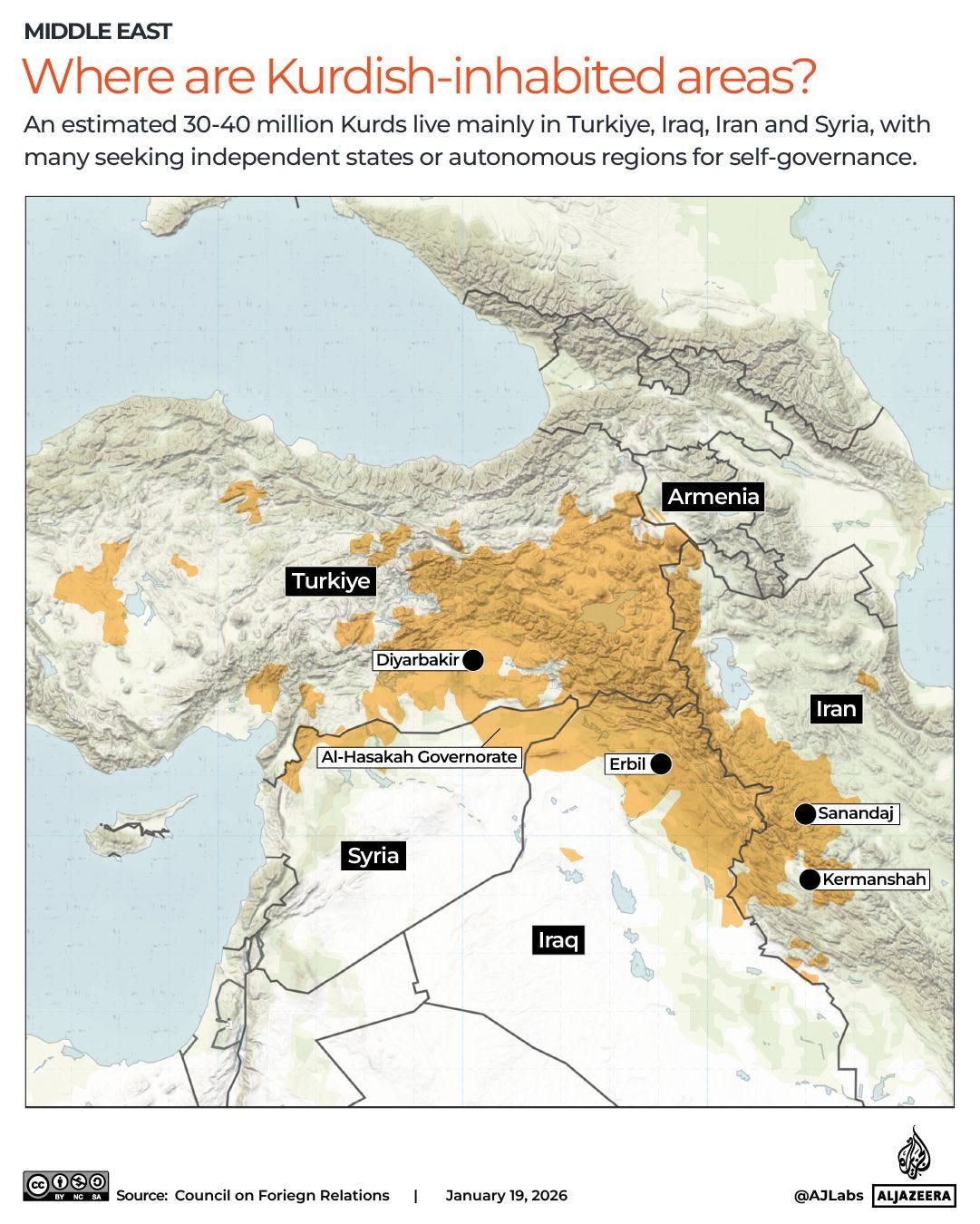
They are considered one of the largest ethnic groups in the Middle East, with population estimates ranging from 25 million to 45 million worldwide.
The Kurdish people do not have their own independent state, making them one of the world’s largest stateless populations.
Historically, the Kurds have faced repression in the countries where they reside, including Turkey, Syria, Iraq, and Iran.
Following the collapse of the Ottoman Empire after World War I, Western Allied powers had initially proposed a Kurdish state, but new borders were drawn, leaving the Kurds divided.
This division has led to decades of protest and revolt against their national authorities.
While the majority of Kurds are Sunni Muslims, their communities also reflect diverse cultural and political traditions, and they speak various dialects of the Kurdish language, which belongs to the Western Iranian branch of the Iranian language family.
In recent times, Kurdish groups have played a role in various conflicts and political dynamics in the Middle East.
Some Kurdish Iranian opposition groups based in northern Iraq have been involved in discussions regarding potential cross-border military operations into Iran, with reports suggesting involvement from U.S. and Israeli militaries in arming these forces.
These groups are viewed as one of the more organized factions within Iran’s fragmented opposition, possessing thousands of trained fighters.
The U.S. has often viewed the Kurds as steadfast allies in the Middle East, particularly in conflicts against entities like ISIS.